May 25 2026
By: Shawn M. Galloway
Priorities do not just happen. They come from decisions. And “we don’t have time for developing a safety strategy” is a decision, and one that can be deadly.
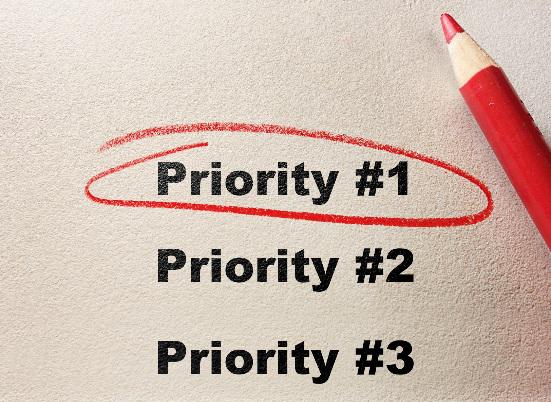 Strategy is a framework of choices, trade-offs, and small bets you make to determine how to capture and deliver value. Being strategic in safety means focusing on the things that create the most value and, the things we are focusing on, people see value in.
In safety, I often see organizations aiming programs at problems instead of building a strategy. What is your safety strategy? Do you have a clear vision of success in operational language, or are you just trying to fail less? Are your priorities driven by data or opinions? Is your plan aligned with and supports the business strategy, or conflicts with it? Do you have a balanced scorecard that measures value, not just results and activities? And do leaders see themselves as actors in and feel ownership of the strategy?
Make time for strategy, or you will keep getting surprised by risks, or, worse.
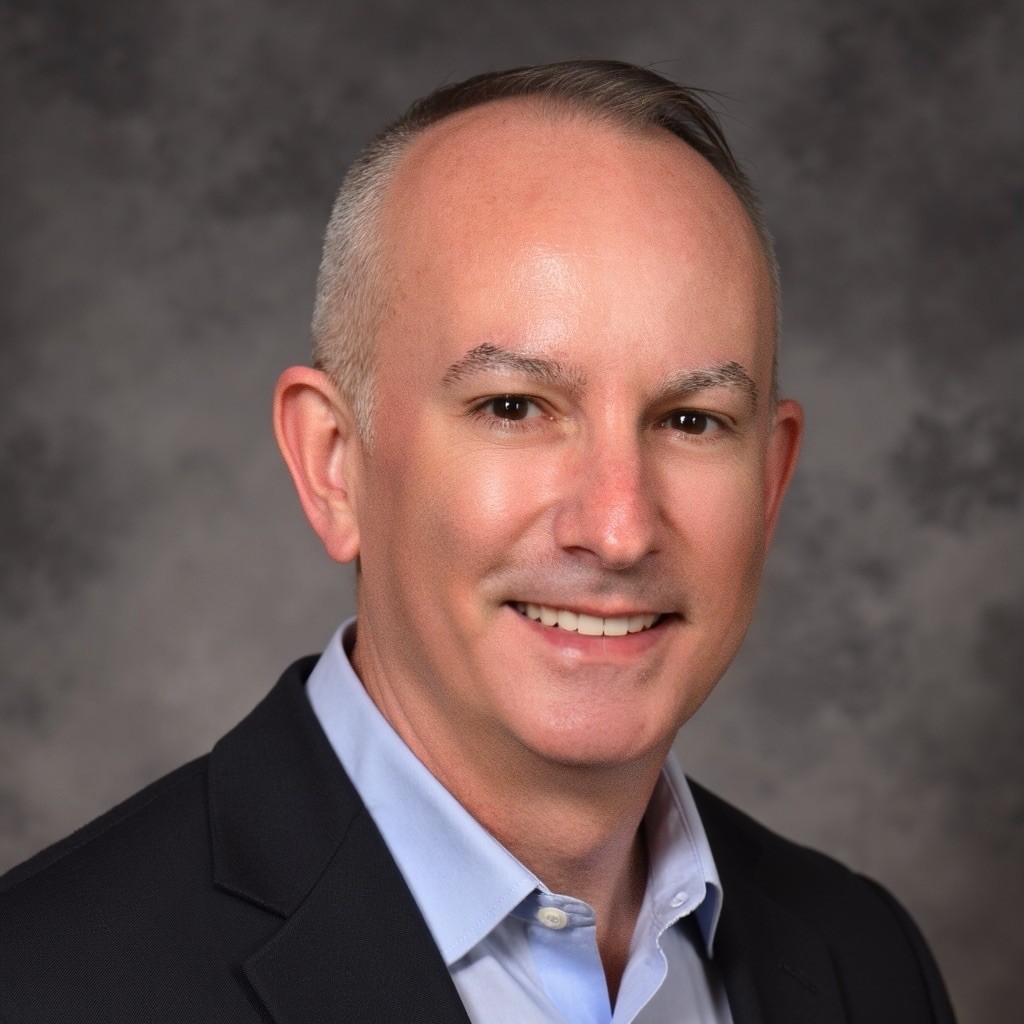
Shawn Galloway, CEO of ProAct Safety, is an expert in safety excellence. With almost thirty years of experience, he is a highly sought-after advisor, keynote speaker, and expert witness. Shawn has become a trusted partner to leading organizations across various industries worldwide. He ranks in the top 1% of the most prolific writers in his field, having authored over 500 articles and several bestselling books. He also launched the world's first safety podcast, Safety Culture Excellence©. As a recognized authority in safety, Shawn has received awards such as being named among the Top 50 People Who Most Influence EHS and a Top 10 Speaker, among others.
He is a regular guest on Bloomberg, Fox News, The Daily Mail, Dubai One, U.S. News & World Report, Sirius Business Radio, Wharton Business Daily, and leading safety magazines and podcasts. Shawn also serves as a member of the Harvard Business Review Advisory Council, Forbes Business Council, and Fast Company Executive Board, enabling his influence to shape safety thinking and strategy at the executive level.
