September 28 2026
By: Shawn M. Galloway
There is a difference between the infrastructure for counting and the infrastructure for learning. Most organizations have built the first one. They have a system, a form, a database. They can tell you exactly how many near misses were reported last quarter.
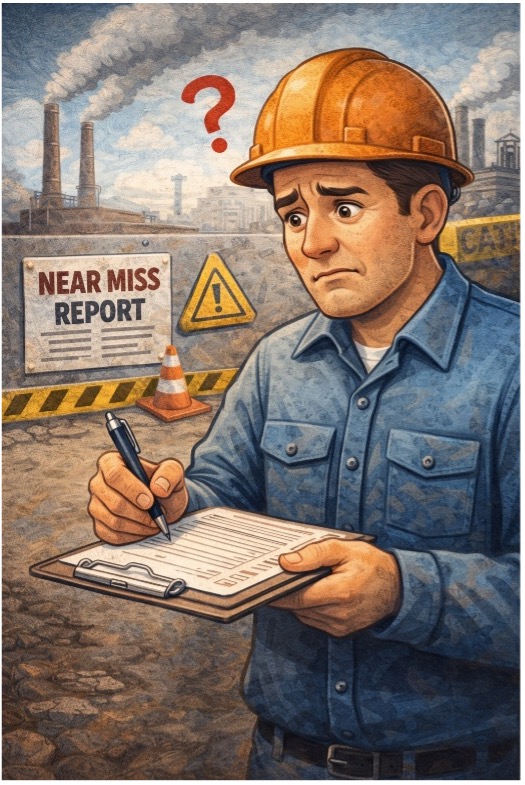
What they cannot tell you is how many near misses went unreported because someone decided the risk of speaking up outweighed the benefit. That gap between what happened and what got reported is where your next serious injury is hiding.
Building a genuine reporting culture starts with a few honest questions. Can every employee tell you what a near miss actually is? Is reporting easy enough that it does not feel like a punishment? Can you point to specific examples where a report led to a visible change? And have you asked directly whether people believe reporting is safe?
Those are not survey questions. Those are system capacity questions. The answers tell you whether your organization is actually learning, or just keeping records.
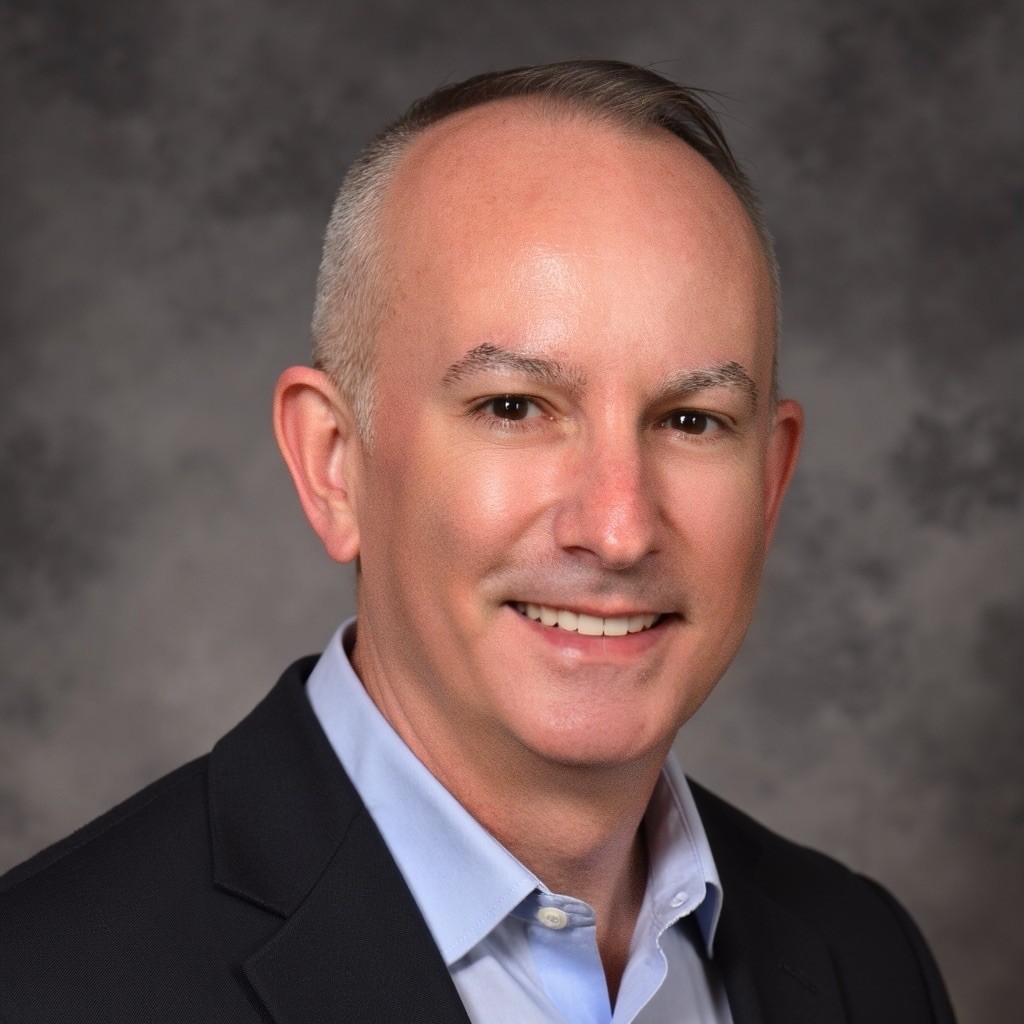
Shawn Galloway, CEO of ProAct Safety, is an expert in safety excellence. With almost thirty years of experience, he is a highly sought-after advisor, keynote speaker, and expert witness. Shawn has become a trusted partner to leading organizations across various industries worldwide. He ranks in the top 1% of the most prolific writers in his field, having authored over 500 articles and several bestselling books. He also launched the world's first safety podcast, Safety Culture Excellence©. As a recognized authority in safety, Shawn has received awards such as being named among the Top 50 People Who Most Influence EHS and a Top 10 Speaker, among others.
He is a regular guest on Bloomberg, Fox News, The Daily Mail, Dubai One, U.S. News & World Report, Sirius Business Radio, Wharton Business Daily, and leading safety magazines and podcasts. Shawn also serves as a member of the Harvard Business Review Advisory Council, Forbes Business Council, and Fast Company Executive Board, enabling his influence to shape safety thinking and strategy at the executive level.
