August 10 2026
By: Shawn M. Galloway
Most organizations respond to low near-miss reporting the same way. They reach for incentives. Gift cards. Points programs. Recognition boards.
Here is the problem. Incentives increase the quantity of reports. They rarely improve the quality. And quality is what drives organizational learning. If you want to increase meaningful near-miss reporting, stop asking how to motivate people to report. Start asking what is demotivating them from reporting in the first place.

The barriers are consistent across every industry I have worked in. No clear definition of what a near miss actually is. A reporting process that feels like a burden. No visible evidence that reporting changes anything. And the most powerful barrier of all: fear of consequences. As a result, silence feels safer than speaking up.
None of those barriers are about your reporting form. Every single one of them is about your culture and your system.
So the real question is not: how do we get more reports? It is: what have we built that makes reporting feel pointless, or dangerous?
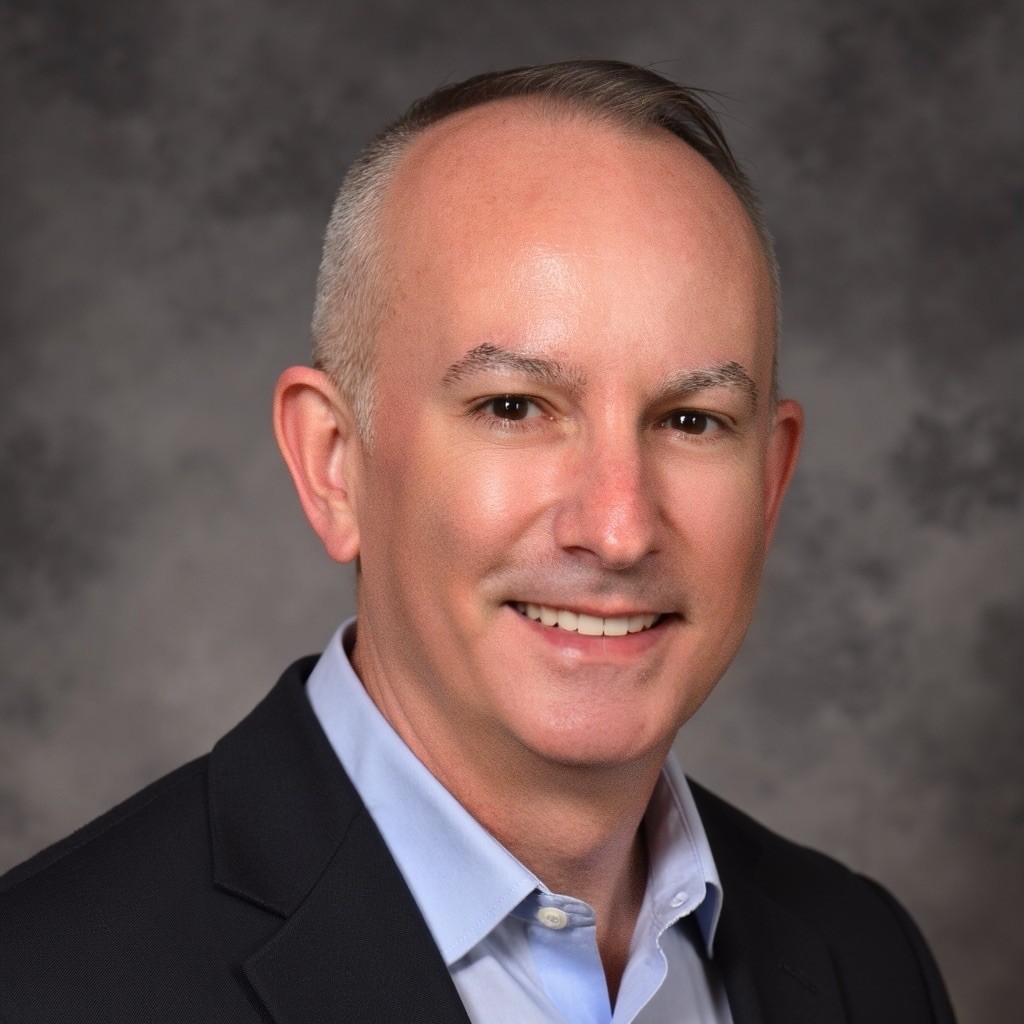
Shawn Galloway, CEO of ProAct Safety, is an expert in safety excellence. With almost thirty years of experience, he is a highly sought-after advisor, keynote speaker, and expert witness. Shawn has become a trusted partner to leading organizations across various industries worldwide. He ranks in the top 1% of the most prolific writers in his field, having authored over 500 articles and several bestselling books. He also launched the world's first safety podcast, Safety Culture Excellence©. As a recognized authority in safety, Shawn has received awards such as being named among the Top 50 People Who Most Influence EHS and a Top 10 Speaker, among others.
He is a regular guest on Bloomberg, Fox News, The Daily Mail, Dubai One, U.S. News & World Report, Sirius Business Radio, Wharton Business Daily, and leading safety magazines and podcasts. Shawn also serves as a member of the Harvard Business Review Advisory Council, Forbes Business Council, and Fast Company Executive Board, enabling his influence to shape safety thinking and strategy at the executive level.
