May 06 2020
By: Shawn M. Galloway
Safety communication is suffering. When sailing in turbulent waters or into uncertainty, the plans and individual roles and responsibilities to execute must be clear, concise and understood. How well are yours?
While travel has been disrupted for the most part, our work with clients carries on. An area that continues to manifest itself in our conversations with organizations is disruptions to safety communication.
One client with global HSE oversight told us, "Sites that were already poor at communication are using this pandemic as an excuse.  Whereas sites that were good at it have found creative ways to ensure signals are sent and received."
Many meetings have stopped. Several kinds of training have ceased. Workforces are reporting what used to be a normal cadence of collaboration, briefing and information flow, has come to a halt. If your organization has experienced this, are you confident the workforce knows why and is satisfied with the reason? Our firm is currently conducting several culture assessments (remotely), and this is a common issue expressed by different workforces.
Communication has two parts: a sender and a receiver; and both must be turned on and tuned in to the message. Sending signals is just one part. Are the messages received and understood? Journalist and a best-selling author, William H. Whyte, perfectly captured this problem with one sentence: "The great enemy of communication is the illusion of it." How are you monitoring that messages are received and understood?
For tactics and measurements to assess your safety communication effectiveness, see this article.
To assess your personal communication effectiveness, find a tool outlined here.
Lastly, communication is competitive. Priorities are perceived by what gets talked about more. While COVID-19 prevention precautions and updates are critical, we can't allow this to compete with the need to stay on message on the importance of safety and the prevention of injuries. Verify conversations are occurring and focusing on:
- Understanding the (big and common) risks employees will face.
- Precautions (required and discretionary) that need to be taken to overcome or mitigate the risks.
- Ensuring (controlling and influencing) these precautions are regularly being taken.
Companies demonstrate their continuing dedication to the pursuit of safety excellence by not using the pandemic as an excuse to hinder progress. We have helped find creative ways to conduct safety trainings, briefings and meetings. This takes being open to thinking differently. If safety excellence is truly your goal, COVID-19 is just another disruption your company will inevitably face. All progress begins by thinking differently. Leaders innovate; followers follow. Be a safety leader in your company and industry. It has always been not just the right thing to do, but also a competitive advantage. Today is no different.
If there is anything we can do to support your efforts, please consider us a resource. We will get through this together.
Stay healthy and safe.
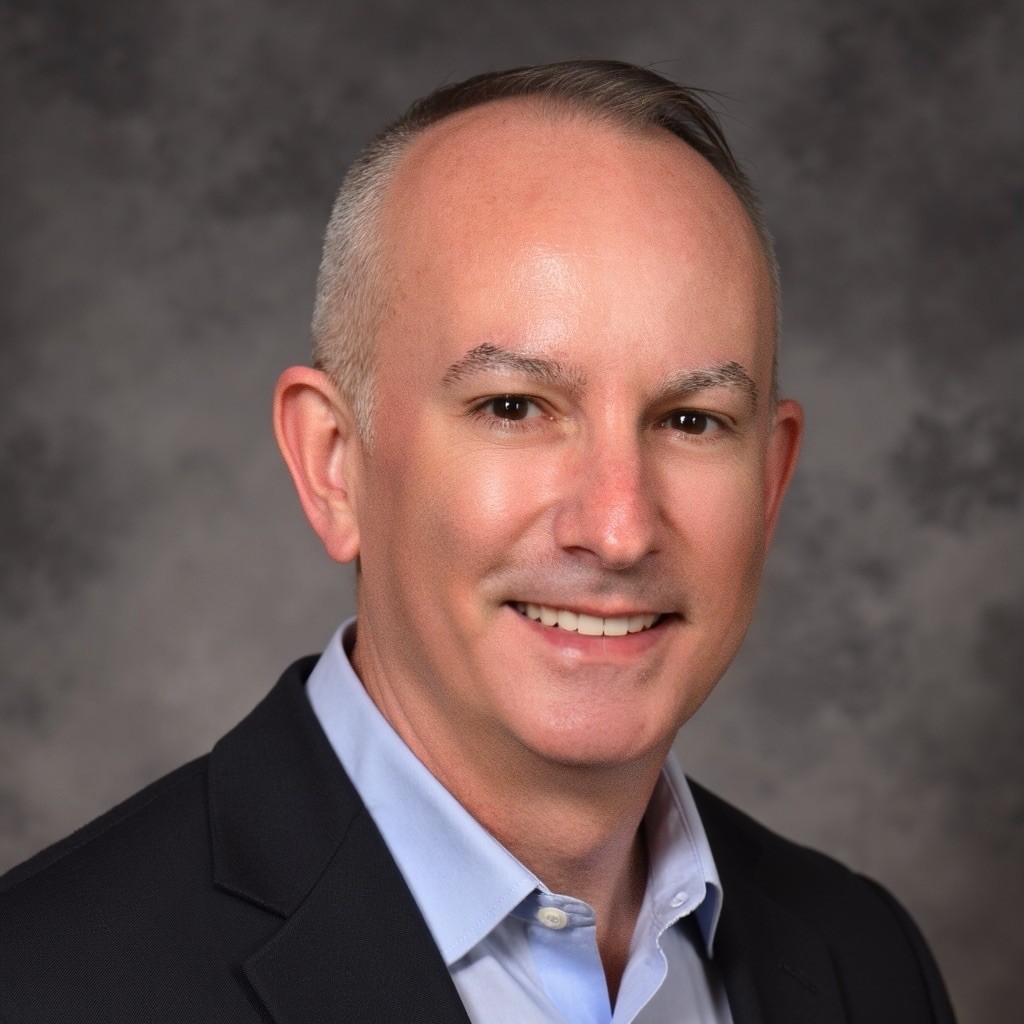
Shawn Galloway, CEO of ProAct Safety, is an expert in safety excellence. With almost thirty years of experience, he is a highly sought-after advisor, keynote speaker, and expert witness. Shawn has become a trusted partner to leading organizations across various industries worldwide. He ranks in the top 1% of the most prolific writers in his field, having authored over 500 articles and several bestselling books. He also launched the world's first safety podcast, Safety Culture Excellence©. As a recognized authority in safety, Shawn has received awards such as being named among the Top 50 People Who Most Influence EHS and a Top 10 Speaker, among others.
He is a regular guest on Bloomberg, Fox News, The Daily Mail, Dubai One, U.S. News & World Report, Sirius Business Radio, Wharton Business Daily, and leading safety magazines and podcasts. Shawn also serves as a member of the Harvard Business Review Advisory Council, Forbes Business Council, and Fast Company Executive Board, enabling his influence to shape safety thinking and strategy at the executive level.
