June 20 2022
By: Shawn M. Galloway
"How long do you have to be here until you truly understand the plant, processes, and risks?" I asked this of employees I was interviewing at a power plant. People who had been there about a year told me a year. People employed in the organization for two to three years told me, "About three years." Management told me, "Easily five years." This organization has a certification process where, after completing training and at least a year of employment, an employee could become certified as a Level One Operator. More training and two years qualified for Level Two Operator and advanced training and three years, Level Three. It stopped there. These all came with increasing responsibility and compensation. Due to significant turnover, there were only two level-three operators. This approach was unintentionally creating a false sense of confidence. 
In a recent conversation with leaders, while supporting a new client to investigate and recover from a tragic fatality, the discussion led to examples of deviations from expected outcomes occurring that involved experienced first-line leaders and people known for taking safety seriously. This surprised everyone involved. While facilitating a learning teams discussion, several employees shared their shocking revelations, "I thought they knew all there was to know and trusted them and their guidance. If it could happen to them, it could happen to anyone!"
During a recent hotel stay, as I walked past the front desk, the door behind the employee opened to a room with a big sign, 247 days since the last injury. The previous record 326 days. If you are still tracking and broadcasting the time since the last injury, the longer you go gives greater confidence that it won't happen to us and will be more likely to suppress reporting, so the numbers are not affected.
The three recent examples highlight how easy it is for organizational systems and experiences to create a false sense of confidence and create potential error opportunities. In complex environments, we must never forget that mistakes are normal. We must be vigilant in our efforts to determine the influences that might contribute to errors and deviations from expected outcomes. What systems or experiences within your company might create a false sense of confidence? What are you doing about them?
"When one feels the risk is minimal, overconfidence may prevail and basic precautions begin to fade." — Ian MacFarlane
"Overconfidence is a powerful source of illusion, determined primarily by the quality and consistency of the story you can build, not its accuracy." — Daniel Kahneman
"There is a long history of research showing that people are overconfident about their abilities. But it turns out that people in general are not overconfident about their abilities; people with a fixed mindset are overconfident." — Carol S. Dweck
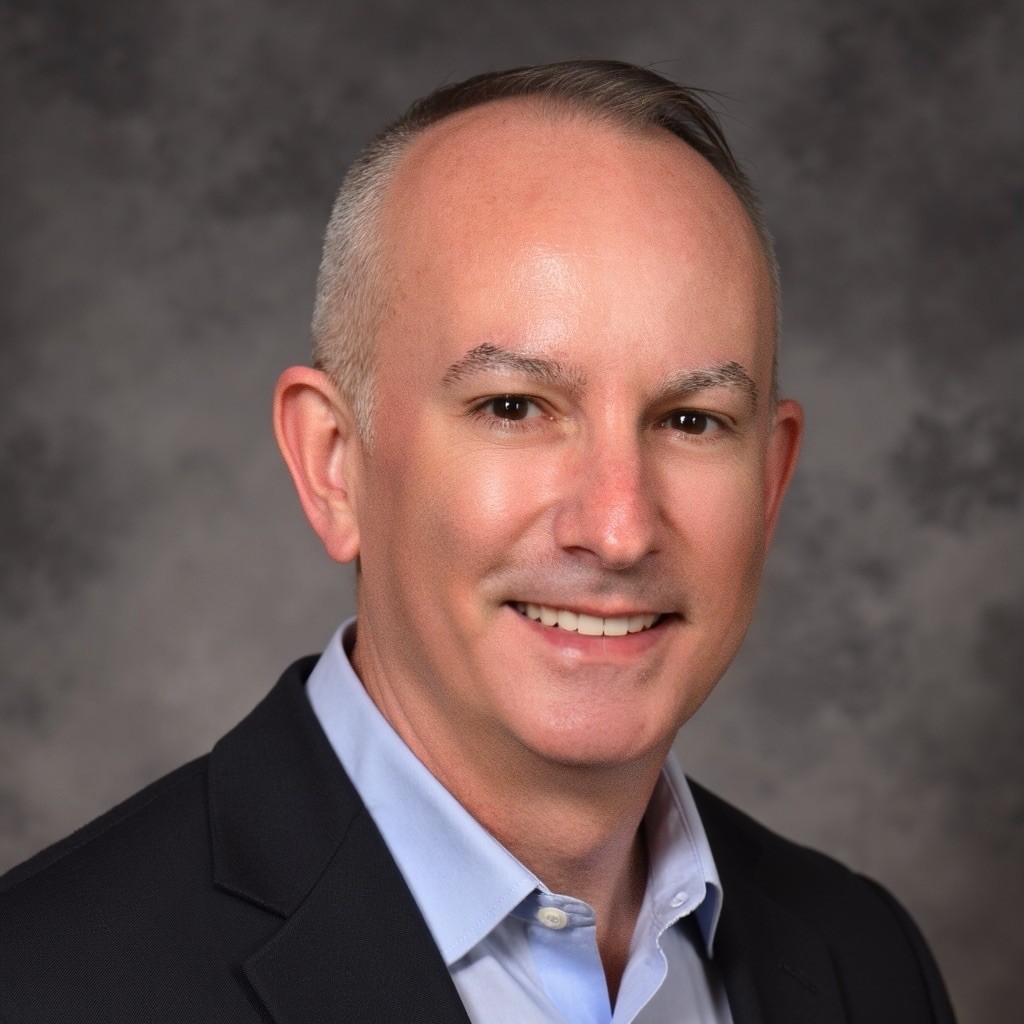
Shawn Galloway, CEO of ProAct Safety, is an expert in safety excellence. With almost thirty years of experience, he is a highly sought-after advisor, keynote speaker, and expert witness. Shawn has become a trusted partner to leading organizations across various industries worldwide. He ranks in the top 1% of the most prolific writers in his field, having authored over 500 articles and several bestselling books. He also launched the world's first safety podcast, Safety Culture Excellence©. As a recognized authority in safety, Shawn has received awards such as being named among the Top 50 People Who Most Influence EHS and a Top 10 Speaker, among others.
He is a regular guest on Bloomberg, Fox News, The Daily Mail, Dubai One, U.S. News & World Report, Sirius Business Radio, Wharton Business Daily, and leading safety magazines and podcasts. Shawn also serves as a member of the Harvard Business Review Advisory Council, Forbes Business Council, and Fast Company Executive Board, enabling his influence to shape safety thinking and strategy at the executive level.
